Key Takeaways
Fonts are brand signals. They communicate tone, emotion, and professionalism — often before a word is even read.
Sans-serif fonts dominate the web. They’re clean, modern, and mobile-friendly — making them the go-to for digital-first brands.
Big brands use custom fonts for control and consistency. From Apple’s San Francisco to Airbnb’s Cereal, proprietary typefaces reinforce brand identity at every touchpoint.
System fonts = performance wins. Brands like WhatsApp use native OS fonts to improve loading speed and feel native across devices.
Your font is part of your strategy. The right choice builds trust, supports UX, and sets the emotional tone of your site.
You don’t need to reinvent the wheel. Fonts like Inter, Roboto, and Circular offer modern, legible, and stylish options for brands without a design team.
Font choice should match brand personality. Whether you’re going for clean, quirky, or premium — let your type do some of the talking.
Common Types of Website Fonts Used by Popular Brands
Most brand websites fall into one of three font categories:
| Font Type | Description | Used For |
|---|---|---|
| Serif | Traditional fonts with little “feet” on the letters. | Luxury, print, or heritage brands. |
| Sans-Serif | Clean, modern fonts with no embellishments. | Tech, startups, ecommerce. |
| Custom/Proprietary Fonts | Custom-built or modified fonts. | When brands want unique identity or global consistency. |
💡Pro insight: Sans-serif fonts dominate the web — they load faster, scale better, and look cleaner on all screen sizes.
Website Fonts Used by Popular Brands (Brand-by-Brand Breakdown)
Let’s break down some iconic websites and the fonts they use to build recognition and trust.
Adobe Website Font
Font: Adobe Clean (custom)
Type: Sans-serif

Adobe uses its own typeface, Adobe Clean, which is modern, legible, and deeply integrated into its product ecosystem. It’s a font designed by designers — for designers.
Airbnb Website Font
Font: Cereal (custom)
Type: Sans-serif

Airbnb uses a custom font called Cereal — a rounded, friendly sans-serif that feels warm and human. It reflects Airbnb’s brand values of comfort, connection, and approachability
Amazon Website Font
Font: Amazon Ember (custom)
Type: Sans-serif

Amazon uses its proprietary font, Amazon Ember, across its website. It’s efficient, highly legible, and engineered for performance across a massive ecommerce platform.
Apple Website Font
Font: San Francisco (custom)
Type: Sans-serif

Apple uses San Francisco, its own system font, designed for clean readability and seamless integration across macOS and iOS. It’s precise, neutral, and unmistakably Apple.
BBC Website Font
Font: BBC Reith (custom)
Type: Serif & Sans-serif

BBC uses BBC Reith, a custom serif and sans-serif hybrid designed for global legibility. It replaced Gill Sans and gives the BBC a modern, trustworthy tone on web and mobile.
Ferrari Website Font
Font: Futura (in past), Custom modern sans-serif
Type: Sans-serif

Ferrari uses a sleek custom sans-serif font, leaning into high performance and elegance. In the past, it relied on Futura, but modern design demands more edge and precision.
Stripe Website Font
Font: GT Walsheim
Type: Sans-serif

Stripe uses GT Walsheim, a geometric sans-serif that balances technical clarity with a friendly tone. It fits Stripe’s goal of being developer-friendly yet design-forward.
Nike Website Font
Font: Helvetica Neue (and now custom variations)
Type: Sans-serif

Nike uses Helvetica Neue across much of its site, along with some custom variations. It’s bold, clean, and pairs well with Nike’s high-contrast, image-driven design.
Other Popular Brands & Their Website Fonts
Here are a few more household names and their typographic choices:
Spotify Website Font
Font: Circular
Type: Sans-serif

Spotify uses Circular, a sans-serif that’s clean, distinctive, and slightly playful. It gives the platform a youthful energy that pairs well with its vibrant branding.
WhatsApp Website Font
Font: Segoe UI / Helvetica / San Francisco (varies by OS)
Type: Sans-serif
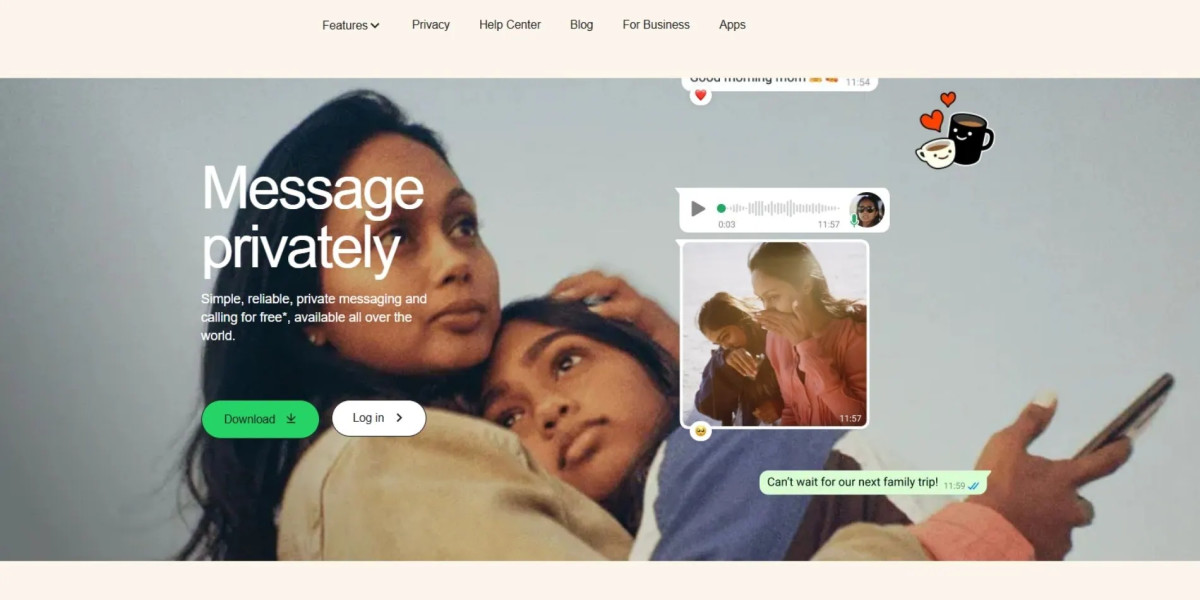
WhatsApp uses system fonts like Segoe UI, Helvetica, and San Francisco, depending on the device. This ensures fast loading, a native feel, and broad accessibility.
Netflix Website Font
Font: Netflix Sans (custom)
Type: Sans-serif
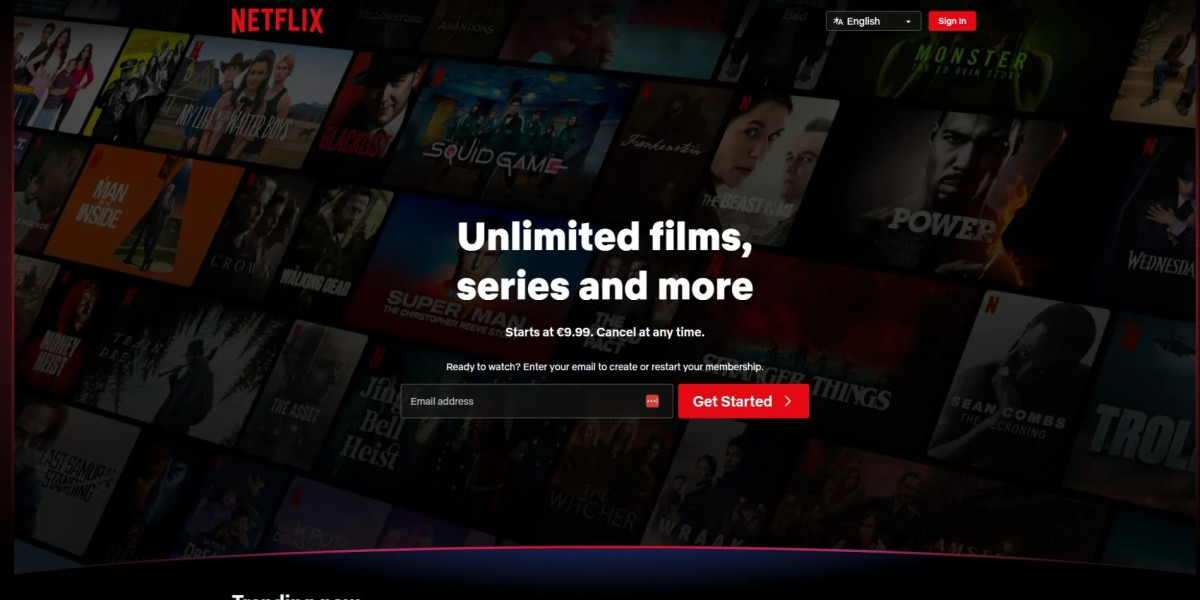
Netflix uses its own typeface, Netflix Sans, designed in-house to replace Gotham. It’s sleek, cinematic, and built for digital streaming interfaces at scale.
Why Brands Choose Custom Fonts for Their Websites
You might be wondering: why go to the trouble (and expense) of designing a custom font?
Here’s why major brands do it:
Brand consistency: Custom fonts ensure the same look across platforms, print, and devices.
Visual ownership: A distinct font makes the brand instantly recognisable — even without a logo.
Licensing control: No ongoing fees, and no issues with third-party licenses or weights.
Performance optimisation: Many custom fonts are engineered to reduce loading time and improve legibility.
💡Pro insight: Custom fonts are expensive — but for billion-dollar brands, they’re a long-term investment in identity, just like custom packaging or architecture.
What Website Font Should You Choose for Your Brand?
Unless you’re ready to commission your own typeface, the key is choosing a web-safe, legible, and emotionally aligned font for your brand.
Here’s a quick cheat sheet:
| If your brand is... | Use fonts like... |
|---|---|
| Modern & clean | Inter, Helvetica, Roboto |
| Warm & human | Cereal, Circular, Nunito |
| Premium & timeless | Playfair Display, Lora |
| Bold & technical | GT Walsheim, IBM Plex Sans |
| Artsy & expressive | Space Grotesk, Clash Display |
💡Pro Tips:
Always check mobile legibility.
Limit to 2 font families max (usually one for headings, one for body).
Consider hosting fonts locally for faster load times.
Website Fonts Are Silent Brand Ambassadors
Typography doesn’t just support your message — it is your message. The wrong font can make a site feel cheap, outdated, or hard to trust. The right font quietly builds trust, signals quality, and keeps the user focused on what matters.
Whether you're a solo founder using Shopify or part of a design team at scale, remember: your font isn’t just style. It’s a strategy.