
Why the UAE is a Major Opportunity for Beauty Brands
The beauty and personal care industry in the UAE continues to grow rapidly, fuelled by:
High disposable income
A young, digitally engaged population
Strong demand for premium and luxury beauty
A thriving influencer ecosystem
Ecommerce adoption across the GCC
Growing interest in skincare and wellness
Dubai also acts as a regional hub for neighbouring GCC markets including Saudi Arabia, Kuwait, and Qatar, which allows brands to scale beyond the UAE once operations are established.
Beauty consumers in the region are highly brand-aware and visually driven. They expect quality packaging, premium customer experiences, and mobile-first ecommerce journeys. Social proof, influencer recommendations, and community trust play a major role in purchasing decisions.
For beauty founders, this creates a huge opportunity, but also raises the standard for execution.

1. Understanding the UAE Beauty Consumer
Before launching, it’s important to understand how beauty consumers in the UAE shop and what influences their buying decisions.
Premium Positioning Performs Well
The UAE market has a strong preference for premium and luxury brands. Even newer brands benefit from elevated visual identity, sophisticated packaging, and polished ecommerce experiences.
This doesn’t necessarily mean products need luxury pricing, but they do need to feel ‘premium’.
Consumers often associate:
strong branding
elegant packaging
professional photography
fast websites
influencer visibility
with product quality and credibility.
Skincare Continues to Grow
While cosmetics and fragrance remain huge categories, skincare has seen significant growth in recent years. Consumers are increasingly ingredient-conscious and seek education around:
active ingredients
hydration
SPF
barrier repair
anti-ageing
skin sensitivity
Educational content performs especially well in the region.
Mobile Commerce Dominates
Most beauty shoppers in the UAE discover and purchase products through mobile devices. Your ecommerce experience must be designed for mobile-first from day one.
Slow-loading websites, difficult navigation, or poor checkout experiences will significantly impact conversion rates.
Social Media Drives Discovery
Instagram and TikTok are central to beauty brand growth in the UAE. Consumers often discover brands through:
creators
skincare influencers
founder-led content
beauty clinics
celebrity recommendations
Building social proof early is critical.
2. Define Your Brand Positioning
One of the biggest mistakes beauty startups make is launching without clear positioning.
The UAE market is crowded and highly visual. To stand out, your brand needs a clearly defined identity and audience.
Questions Every Founder Should Answer
Before launch, define:
Who is your ideal customer?
What makes the brand different?
Is the positioning premium, luxury, clinical, minimalist, clean beauty, or mass market?
What emotional identity does the brand represent?
What problem does the product solve?
Strong positioning creates consistency across:
packaging
website design
product photography
paid advertising
influencer partnerships
social media
email marketing
The Rise of Clean & Conscious Beauty
Consumers in the UAE are increasingly interested in:
vegan beauty
cruelty-free products
clean ingredients
sustainable packaging
halal-conscious formulations
These values can become powerful differentiators when integrated naturally and authentically into the brand.
Branding Matters More Than Most Founders Expect
In beauty ecommerce, branding directly impacts conversion rates.
The most successful brands create a cohesive visual system across every customer touchpoint:
packaging
your Shopify store
email flows
social content
ads
influencer gifting
unboxing experience
Consistency builds trust.
3. Legal Requirements & Cosmetic Compliance in the UAE
Launching a beauty brand in the UAE involves regulatory and operational requirements that should be addressed early.
Business Setup
Most founders choose between:
mainland company formation
free zone company setup
The right option depends on:
whether you plan to sell directly in the UAE
warehousing needs
import requirements
retail ambitions
ownership structure
Working with a UAE business setup specialist can simplify this process significantly.
Cosmetic Product Registration
Cosmetic products sold in the UAE typically require registration with the relevant authorities before they can legally enter the market.
This process may involve:
ingredient review
documentation
product testing
packaging approvals
label compliance
Labelling Requirements
Products generally need:
ingredient transparency
INCI-compliant ingredient lists: ‘International Nomenclature Cosmetic Ingredient’ lists are standardised, mandatory ingredient labels for cosmetics, ordered by concentration (highest to lowest). They use Latin/English technical names to ensure global consistency, requiring components to be broken down, not just raw material names
country of origin information
expiry details
batch numbers
Arabic labeling requirements may also apply depending on distribution strategy.
A Note on Managing INCI-compliant Ingredient Lists
a. Ensure Regulatory Compliance
List ingredients in descending order of weight (highest concentration first). Ingredients present at 1% or less can be listed in any order after the main ingredients.
Standardised Names: Use the official, standardized INCI names (for example Aqua instead of Water, Tocopherol instead of Vitamin E).
Botanical Ingredients: Use the Linnaean system for botanical ingredients, identifying the genus and species, followed by the part of the plant used and preparation method (e.g., Rosa Damascena Flower Water).
Fragrance/Allergens: "Parfum" or "Fragrance" can be listed, but specific allergens (like Linalool or Limonene) must be declared if they exceed certain concentrations.
Colorants: Use Colour Index (CI) numbers, such as CI 77491 for iron oxides, typically at the end of the list.
Responsible Person: Ensure the product packaging identifies the "Responsible Person" or brand entity for compliance.
b. Prioritise Transparency
Label Visibility: Display the full, accurate INCI list on the product packaging. If space is limited, use a booklet, tag, or website link, ensuring the information is easily accessible.
Ecommerce Compliance: Clearly list all ingredients on your Shopify store’s product pages. This shows consumers you have nothing to hide and helps with safety queries.
Clarify Marketing Names: Educate consumers by clarifying complex INCI names in your marketing materials (e.g., explaining that Sodium Hyaluronate is a form of hyaluronic acid).
c. Strategy and Communication
Identify Ingredient Functions: Understand the purpose of every ingredient (e.g., emulsifiers, actives, preservatives) to explain your formulation choices.
Use Ingredient Glossaries: Create a dedicated glossary on your website to educate customers on what each ingredient does.
Translate Marketing to INCI: Ensure your R&D team can map marketing claims (e.g., "contains soothing aloe") directly to the corresponding INCI name (e.g., Aloe Barbadensis Leaf Juice).
Streamline for Clean Beauty: If marketing as "clean," focus on using fewer, multifunctional ingredients to keep the list short and easy to read.
d. Managing Changes and Updates
Monitor Regulations: Stay updated on changing ingredient regulations, particularly regarding banned or restricted substances, through resources like the Personal Care Products Council (PCPC).
Update Labels: When an ingredient name changes or a reformulation occurs, update your packaging in the next production run once old stock is depleted.
By treating the INCI list as a crucial part of your brand's integrity, you can turn a legal necessity into a powerful trust-building tool with your audience.
Work With Specialists
Compliance mistakes can delay launches and create costly import issues.
It’s worth working with:
cosmetic compliance consultants
import specialists
legal advisors
customs experts
especially during the initial setup phase.
4. Manufacturing, Fulfilment & Logistics
Operations can have a major impact on customer experience and profitability.
Local vs Overseas Manufacturing
Some founders manufacture locally within the UAE or GCC, while others work with overseas suppliers in:
Europe
Korea
the UK
China
the US
Each route has pros and cons around:
minimum order quantities
lead times
shipping costs
quality control
speed to market
Fulfilment Expectations Are High
Consumers in Dubai are accustomed to fast delivery and premium service. (There are some providers that offer 15 minute delivery from the time of order!)
Slow fulfilment or unreliable shipping quickly damages trust.
When planning logistics, consider:
local warehousing
same-day or next-day delivery
GCC-wide shipping capabilities
returns processes
temperature-sensitive storage if required
Cash on Delivery Still Exists
Although card payments dominate ecommerce growth, cash on delivery still exists in some GCC markets and may affect operational planning depending on your audience.
5. Building a High-Converting Beauty Ecommerce Website
Your website is often the first real interaction customers have with your brand.
For beauty brands, ecommerce performance depends on balancing aesthetics with usability.
Why Shopify Works Well for Beauty Brands
Shopify is particularly effective for beauty ecommerce because it supports:
subscription models
bundles
upsells
loyalty integrations
fast mobile experiences
international selling
influencer and UGC integrations
It also allows brands to scale efficiently as marketing grows.
Radiant is a Shopify Plus Partner agency based in the UK and Dubai, with experience building and optimising ecommerce stores for Middle Eastern brands like KAYALI. If you’d like to talk to us about partnering to help your brand, get in touch with our team.
< Contact Us To Learn More >
Mobile-First UX Is Essential
Beauty shoppers browse heavily on mobile devices.
Your store should prioritise:
fast loading speeds
clean navigation
sticky add-to-cart functionality
simplified checkout
thumb-friendly layouts
optimised image compression
Product Pages Need to Educate
Beauty customers rarely purchase based on visuals alone.
Strong product pages include:
ingredient education
before-and-after imagery
FAQs
usage instructions
texture photography
routine recommendations
customer reviews
video demonstrations
The more uncertainty you remove, the higher your conversion rates.
For a more detailed look at the anatomy of a good product page, check out our product page guide.
Beauty Brands Benefit From Personalisation
Features like:
skincare quizzes
shade matching
routine builders
replenishment reminders
subscription models
can dramatically improve customer retention and average order value.
Trust Signals Matter
Consumers are cautious when purchasing skincare and cosmetics online.
Your site should clearly communicate:
reviews
certifications
delivery information
return policies
secure payments
founder credibility
press mentions
Trust directly affects conversion. Check out our guide to trust badges on Shopify for further detail on how to increase sales by getting this right.
6. Payments, Currency & Localisation
Localisation is one of the most overlooked growth drivers in GCC ecommerce.
Offer AED Pricing
Displaying prices in AED (Arab Emirates Dirham) creates familiarity and reduces friction during checkout.
Local Payment Methods Improve Conversion
The UAE market strongly favours trusted regional payment options.
Depending on your audience, consider:
Apple Pay
Tabby
Tamara
local card gateways
regional payment providers
Flexible payment options can significantly improve conversion rates and average order value.
Arabic Localisation
Not every beauty brand needs a fully Arabic website immediately, but localisation should still be considered.
This may include:
Arabic ad creative
bilingual packaging
Arabic customer support
translated landing pages
culturally relevant campaigns
Brands that localise effectively often outperform international competitors entering the market.
7. Marketing Your Beauty Brand in the UAE
Launching the brand is only the beginning.
Customer acquisition in beauty is highly competitive, which means brands need a strong multi-channel marketing strategy from day one.
Influencer Marketing Remains Powerful
The UAE has a mature influencer ecosystem, especially in:
skincare
luxury beauty
makeup
fragrance
wellness
Micro influencers (a social media content creator with a dedicated, niche following, typically ranging from 10,000 to 100,000 followers) can be particularly effective because they often deliver:
higher engagement
stronger trust
better ROI
PR gifting campaigns remain one of the fastest ways to generate early social proof and increase trust in an audience unfamiliar with your brand.
Short-Form Video Dominates
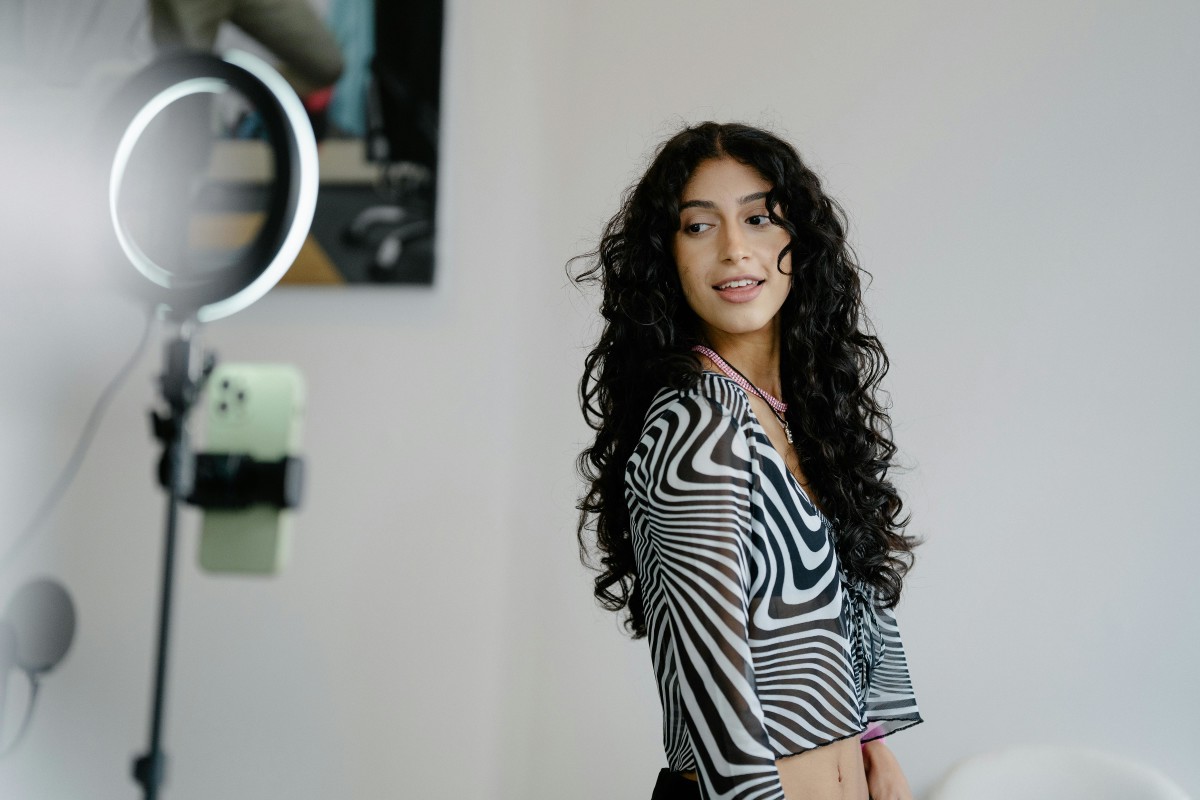
Beauty content performs extremely well on:
TikTok
Instagram Reels
Snapchat
Educational and transformation-style content tends to perform best:
skincare routines
GRWM content
ingredient breakdowns
before-and-after results
founder stories
unboxing experiences
Paid Advertising Is Essential
Most beauty brands rely heavily on paid acquisition through:
Meta Ads
TikTok Ads
Google Shopping
influencer whitelisting
Creative quality often matters more than targeting sophistication.
The brands that win usually produce content at high volume consistently.
SEO Is a Long-Term Growth Asset
Many beauty brands underinvest in SEO.
Educational content can drive highly qualified traffic over time, especially around:
skincare concerns (greasy/dry skin etc)
ingredient education
beauty routines
climate-specific skincare advice
SPF usage in hot climates
hydration and humidity
This is where content marketing becomes extremely valuable.
8. Retention & Community Building
The strongest beauty brands don’t just acquire customers - they build communities.
Retention is often what separates profitable brands from struggling ones.
Email Marketing Still Delivers Strong ROI
Beauty brands should implement automated email flows including:
welcome sequences
abandoned cart emails
replenishment reminders
post-purchase education
review requests
loyalty campaigns
These flows can generate substantial repeat revenue.
Loyalty Programmes Encourage Repeat Purchases
Beauty products naturally support recurring purchasing behaviour.
Loyalty systems can reward:
repeat orders
referrals
reviews
subscriptions
social engagement
WhatsApp Commerce Is Growing
Many UAE consumers are comfortable communicating with brands through WhatsApp, so don’t sleep on this communication channel.
Brands increasingly use it for:
customer service
order updates
product recommendations
VIP launches
personalised selling
9. Common Mistakes Beauty Brands Make in the UAE
Launching Without Localisation
A global strategy rarely performs perfectly in the GCC without adaptation. Local payment methods, delivery expectations, and cultural nuances matter.
Overcomplicating the Website
Beauty ecommerce should feel intuitive. Too many navigation options, unclear messaging, or cluttered product pages reduce conversion rates.
Weak Product Education
Customers need reassurance before purchasing skincare or cosmetics online. Brands that fail to educate often struggle with conversions and retention.
Ignoring Mobile Performance
A beautiful desktop website means very little if the mobile experience is poor. Mobile optimisation should be a priority from the beginning.
Underestimating Fulfilment
Late deliveries and poor post-purchase experiences damage trust quickly in beauty ecommerce. Operational excellence matters.
Case Study: Launching Fragrance Brand KAYALI in the UAE on Shopify
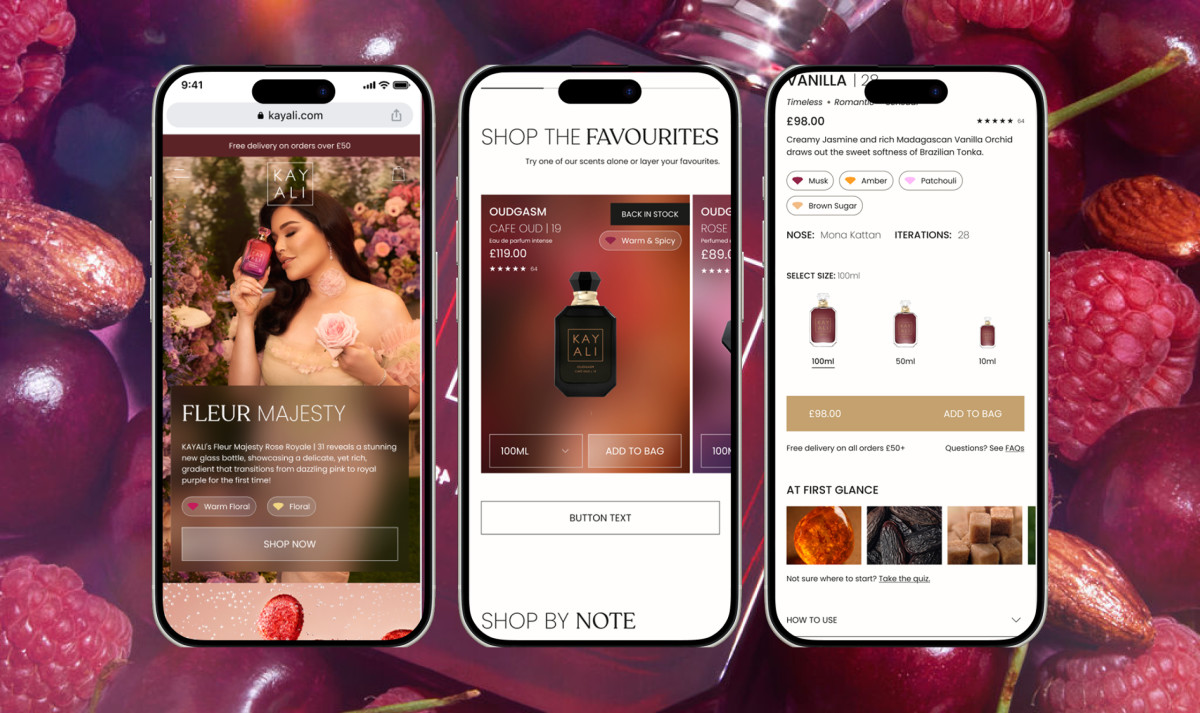
Fragrance brand, KAYALI, was part of Dubai-based Huda Beauty, but after establishing itself as a globally renowned Middle Eastern brand, it became an independent company.
KAYALI partnered with Radiant for our deep understanding of how people shop online and ability to translate sensory retail experiences into ecommerce journeys. Radiant’s expertise in creating engaging, educational, and conversion-focused Shopify Plus experiences, plus extensive experience in the Middle Eastern markets made us the perfect partner to create their Shopify stores.
We built the site including features like a fragrance finder quiz, smart navigation, and optimised side cart to encourage discovery.
Within just one hour of the store launching, the brand made back its entire investment in the site build.
If you’re interested in achieving results like these, contact us to learn more.
< Talk to our team >
10. Your UAE Beauty Brand Launch Checklist
Before launching, make sure you have:
Business & Compliance
Trade licence secured
Cosmetic products registered
Packaging compliant
Import documentation prepared
Ecommerce
Mobile UX tested
Payment gateways configured
Analytics installed
Email flows active
Marketing
Influencer seeding strategy prepared
Paid creative ready
Organic social content planned
Operations
Fulfilment partner confirmed
Shipping workflows tested
Returns process established
Customer support channels active
Final Thoughts
The UAE is one of the most exciting markets in the world for beauty ecommerce brands.
Consumers are digitally sophisticated, highly engaged with beauty culture, and open to discovering new brands — especially those that combine strong products with exceptional branding and customer experience.
But launching successfully requires more than simply translating an existing strategy into a new region.
The brands that succeed in the UAE invest in:
localisation
premium ecommerce experiences
mobile-first design
trust-building content
operational excellence
long-term community building
For founders entering the market, the opportunity is enormous, especially for brands willing to approach the region with a tailored strategy built specifically for GCC consumers.
Need support getting started? We’re an experienced Shopify Plus Partner agency based in the UK and Dubai, and have helped launch and grow brands in the region like KAYALI, Myriad Beauty and Godiva Chocolate. Contact us to learn more about how we could help your business scale.


