How Do Brands Qualify for the Sunday Times Top 100 List?
To qualify for The Sunday Times 100 (the definitive ranking of Britain’s fastest-growing private companies) the business must be an independent, UK-registered company.
Primary criteria include:
Sales revenue: Must exceed £5 million in the latest financial year. (Base year sales must have been at least £250,000 four years prior).
Profitability: The business must be unquoted, not a subsidiary, and currently profitable.
Team size: At least five members of staff.
Industry restrictions: Sectors that are difficult to compare like-for-like, such as general property firms, financial management, and partnerships, are generally excluded.
Which Industries Are Most Prominent?
The UK's fastest-growing companies are not primarily AI startups or venture-backed SaaS businesses. The list largely consists of:
Consumer brands
Health & wellness businesses
Creator-led businesses
Ecommerce-first brands
Experience-led hospitality companies
Specialist service businesses
The dominant path to growth appears to be:
Build an audience; build a brand; build a community; scale through digital channels.

Consumer Brands Dominate the Top 100
Consumer brands dominate this year’s list, with around one third falling into this category. Some of the main industries covered include:
Fashion & apparel
Beauty & skincare
Wellness & supplements
Food & drink
Homewares & lifestyle
Pet products
Examples of brands in these categories include:
Fashion
Dfyne
Montirex
Blakely
Capo
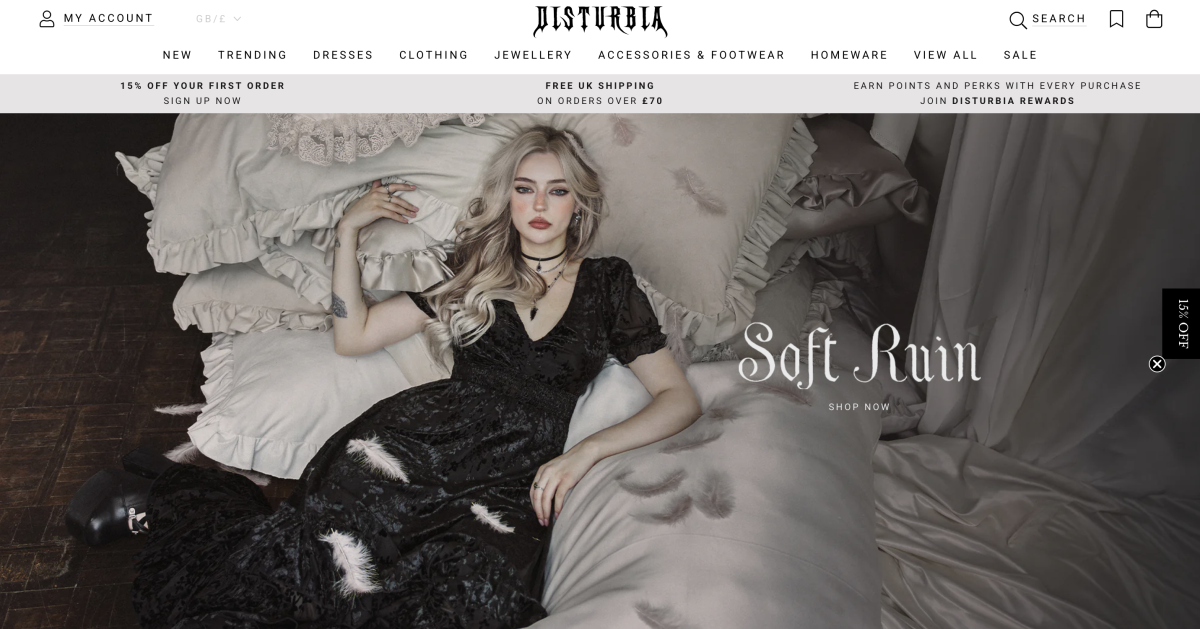
Disturbia
Nobody's Child
Adanola
Murci
Beauty
Rehab
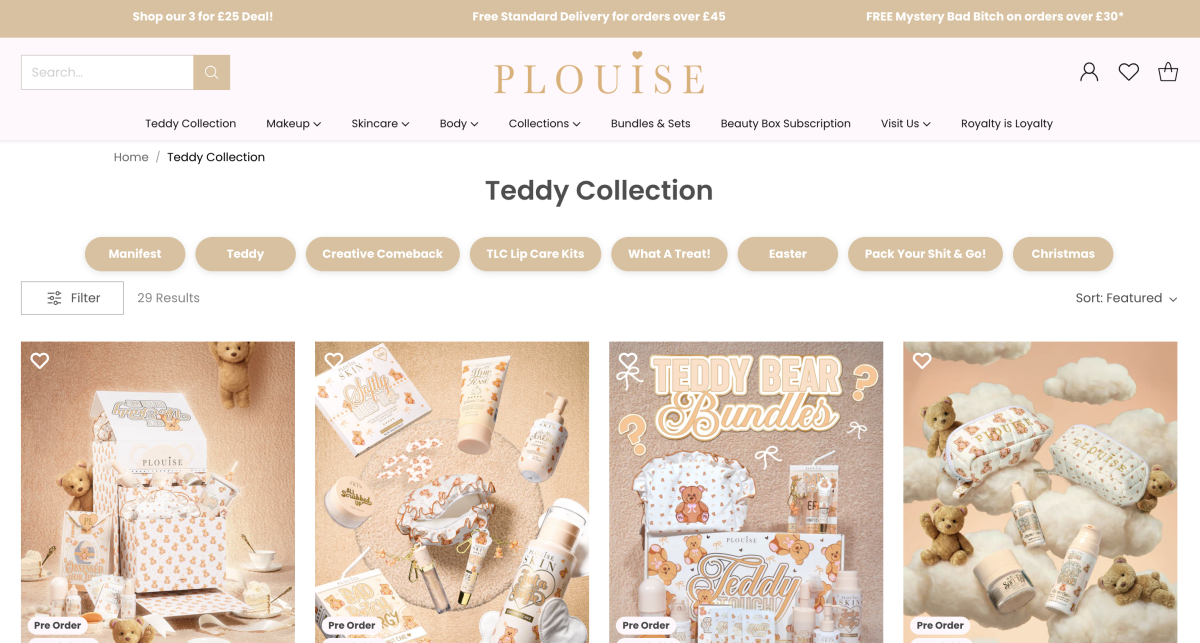
P Louise
47 Skin
Nature Spell
Hair Syrup
D Louise
EverySkin
Wellness
Ancient + Brave
Free Soul
Novomins
Vidrate
Phizz
Hunter & Gather
Sweet Bee Organics
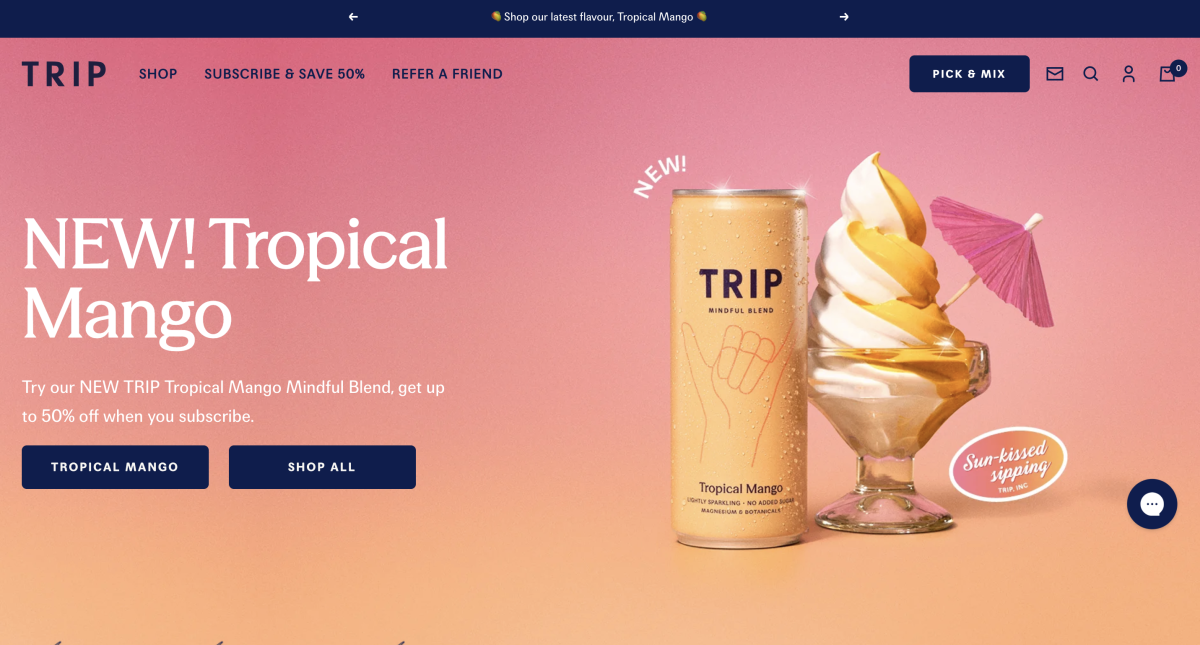
Trip
Wellness is the UK's Strongest Growth Category
If we were to identify one category that appears repeatedly throughout the list, it would be health and wellness (but beyond only supplements). This also covers:
Hydration
Functional foods
Digital healthcare
Recovery products
Cannabis clinics
Vitamins
Nutritional products
The featured brands don’t tend to represent traditional pharmaceuticals, but are generally positioned around wellness issues like better sleep, energy, nutrition, fitness and recovery.
The Growth Formula
A huge proportion of these businesses follow a similar playbook. Whereas in the past it may have looked like this: build a product; buy advertising; sell your product - it’s evolved into:
Build your audience; build your community; sell your product.
Some examples of businesses following this pattern include:
Goalhanger
Viewture
Dfyne
Montirex
P Louise
Adanola
Free Soul
Trip
The Next Gymshark Candidates
Looking to the future and trying to spot brands that might become the next behemoths of commerce, here are some that caught our eye with the reasons we think they have potential:
Dfyne: Massive activewear category, social-first
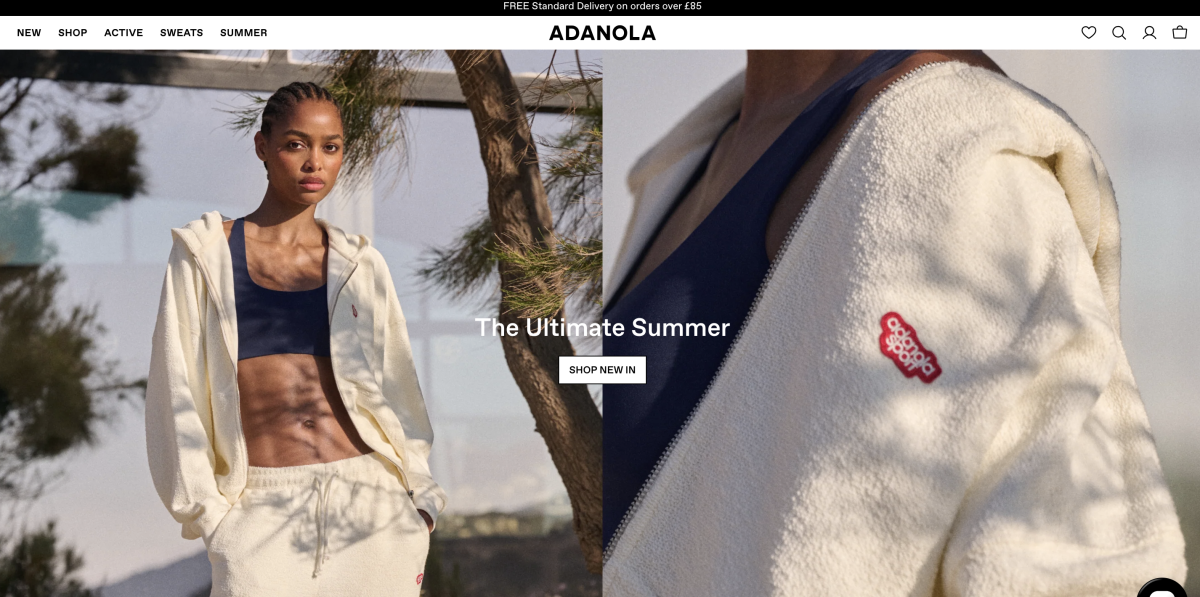
Adanola: Already approaching major scale
Montirex: Strong sportswear positioning
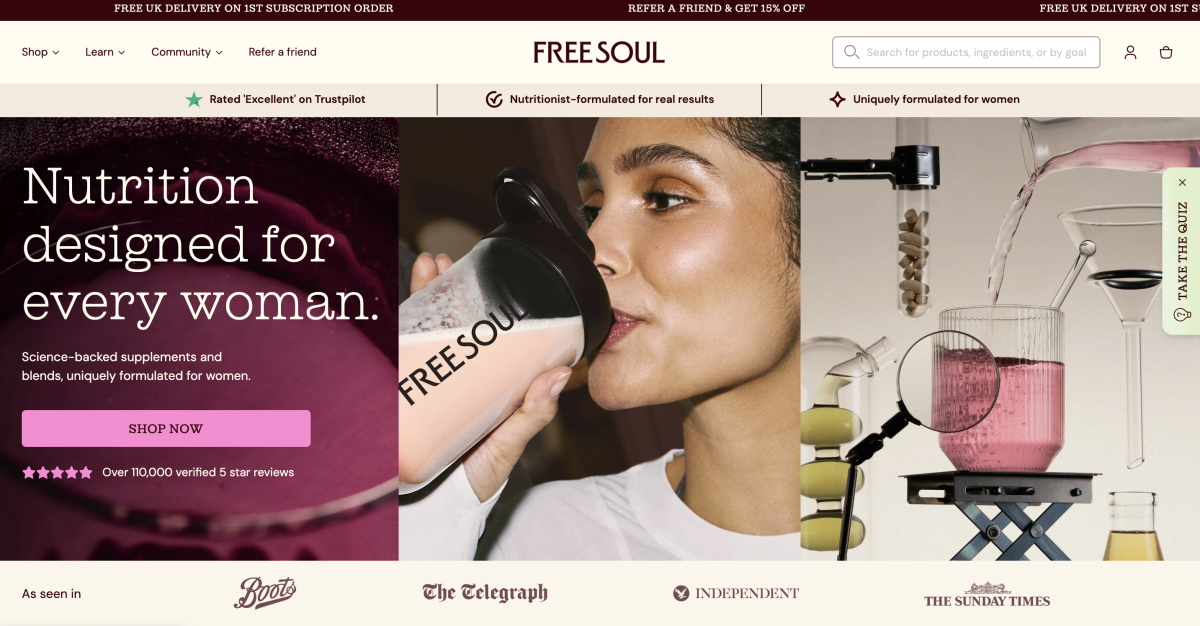
Free Soul: Wellness category tailwinds
Ancient + Brave: Premium wellness
P Louise : Huge community
Trip: Functional beverages
Scrumbles: Pet category growth
Nobody's Child: Fashion scale already established
London Is Still Winning...But The Regions Are Back
London remains dominant. However, there are notable clusters in other areas:
Manchester
Murci
Claimsline
Adanola
Just Bee Honey
Liverpool
Montirex
FutureMeds
Glasgow
Dfyne
Simple Online Healthcare
Leeds
Wilson Power Solutions
Slick Gorilla
Wales
Ty Nant
Hair Syrup
Litelok
This is much more geographically spread than previous generations of fast-growth rankings.
The biggest surprise is how few pure software companies appear. While there are tech and data consultancies, and managed service businesses, there are very few venture-style SaaS firms, which suggests a few things:
1 - Profitable growth is outperforming funded growth.
2 - Consumer demand remains strong despite economic uncertainty.
3 - Brand-building is creating more value than software-building in many sectors.
What Does This Mean For Ecommerce Over The Next 5 Years?
The Sunday Times 100 is telling a very clear, albeit not altogether surprising, story - that the UK's fastest-growing businesses are increasingly consumer brands that
own an audience
tell compelling stories, and
use digital channels to build direct relationships with customers.
The list contains a large number of businesses that are likely to become the next generation of significant Shopify merchants. (This is also encouraging for brands looking to launch or grow in the short to long term as the business conditions are perfect for consumer brands to succeed if they nail the 3 points above). It’s also encouraging for Shopify agencies because many of these businesses eventually hit the same challenges for which a partner agency will be invaluable:
International expansion
Subscription growth
Conversion optimisation
Site performance
Retention and loyalty
Customer experience
Operational complexity
At Radiant, we’re available to talk to brands about how we can support any of the above areas - so if you’re in a position to launch or take your ecom business to the next level, get in touch for a preliminary chat!