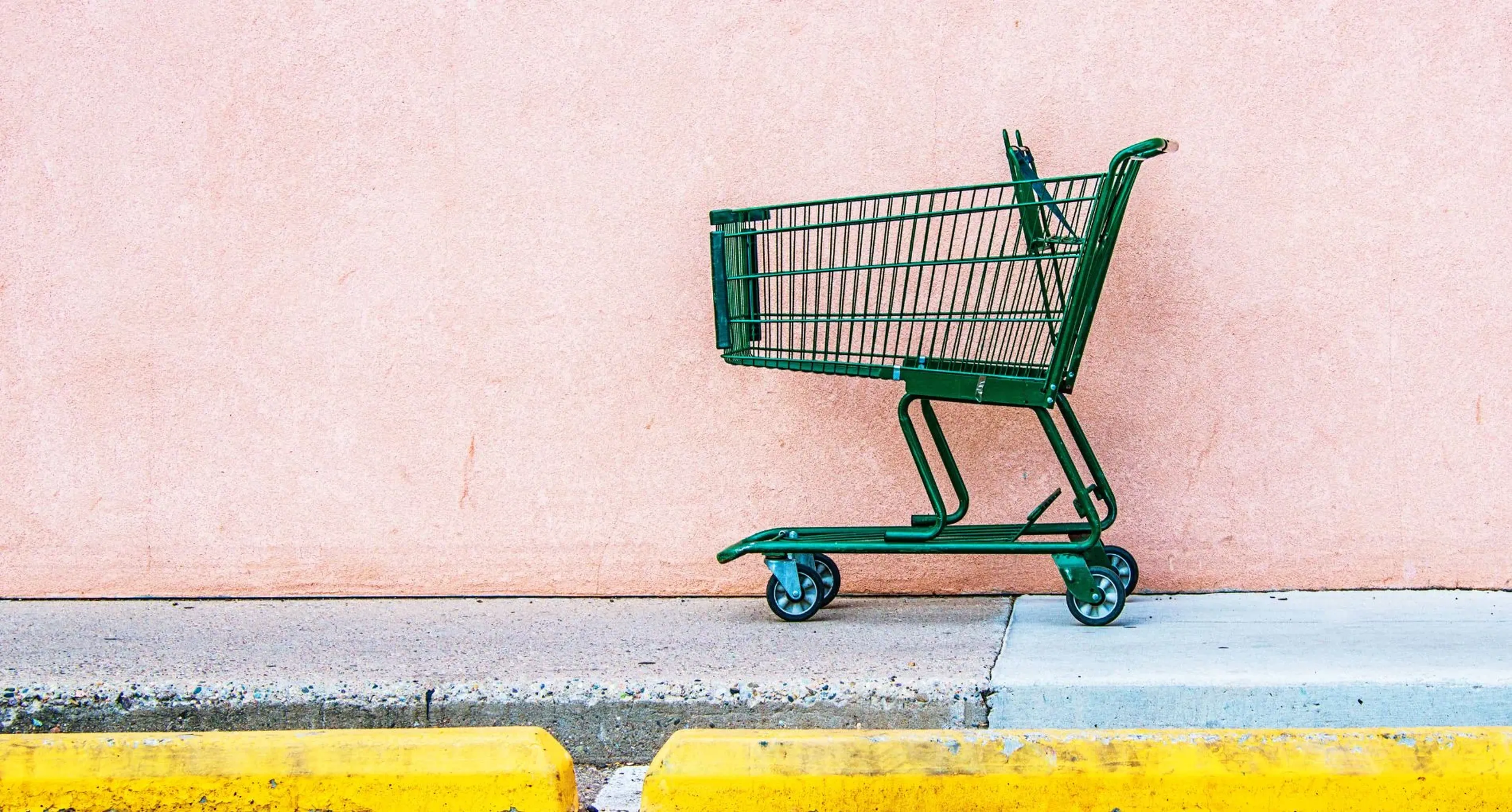
How to Reduce Shopping Cart Abandonment by Removing Checkout Friction
How to Reduce Cart Abandonment and Close Sales with Transparent Pricing
How to Reduce Cart Abandonment by Building Trust and Credibility
How to Use BNPL to Reduce Cart Abandonment and Increase Conversions
How to Reduce Cart Abandonment and Close Sales with Recovery Tactics
Key Takeaways
Most abandonment is predictable. Surprise costs, poor delivery options, and lack of trust consistently explain the majority of lost checkouts.
Checkout friction kills intent faster than price. Extra steps, slow load times, and forced actions make even motivated buyers hesitate.
Transparency converts better than persuasion. Showing full pricing and delivery upfront prevents the ‘last-step shock’ that drives people away.
Trust matters most at the payment stage. Clear policies, real contact details, and familiar payment options reduce perceived risk.
Mobile experience is where most revenue is lost. Higher abandonment rates on mobile mean small UX improvements here have outsized impact.
Payment flexibility removes hesitation. BNPL, wallets, and alternative methods increase both conversion rate and order value.
Recovery works, but prevention works better. Emails and retargeting can bring users back, but fixing checkout issues has a bigger long-term effect.
Context and timing change everything. The same checkout performs differently depending on urgency, season, and perceived value.
The biggest wins come from removing doubt, not adding features. Focus on clarity, speed, and confidence rather than piling on more tools.
Why Cart Abandonment Happens (And Why Most Advice Falls Short)
Cart abandonment happens when the perceived risk of buying becomes higher than the perceived benefit at the final step.
Most guides list reasons like shipping costs or slow checkout, which are true but shallow. What they miss is that customers do not abandon carts because of features. They abandon because something feels off.
The data makes this clearer:
Around 39–41% of abandonments come from unexpected extra costs
21–24% leave due to slow or poor delivery options
17–19% abandon because they do not trust the site with payment details (Landmark Global)
In other words, most drop-offs are not random. They are predictable reactions to friction and uncertainty.
Here is how it usually plays out in a real customer’s mind:
| Trigger | What the customer actually thinks |
|---|---|
| Unexpected shipping | ‘This is more expensive than I expected' |
| Forced account creation | ‘This is taking too long’ |
| Limited payment options | ‘I don’t want to use this method’ |
| Slow checkout | ‘This feels unreliable’ |
| Lack of trust signals | ‘What if something goes wrong?’ |
The mistake most brands make is treating these as isolated problems. In reality, they compound. One small doubt is manageable. Three at once is enough to lose the sale.
How to Reduce Cart Abandonment Rate with a Step-by-Step Framework
To reduce cart abandonment, you need to systematically remove doubt at every stage between ‘Add to Cart’ and ‘Place Order’.
Step 1: Align expectations before checkout
Make sure pricing, delivery, and returns are clear on the product page. Checkout should confirm, not surprise.
Step 2: Reduce effort during checkout
Every extra field, click, or decision adds friction. Remove anything that does not directly help complete the purchase.
Step 3: Reinforce trust at the point of payment
This is where hesitation peaks. Customers need reassurance, not distractions.
Step 4: Recover intelligently after abandonment
Not every customer is lost. Many just need a nudge at the right time with the right message.
This framework works because it mirrors how people actually buy. It respects hesitation instead of ignoring it.
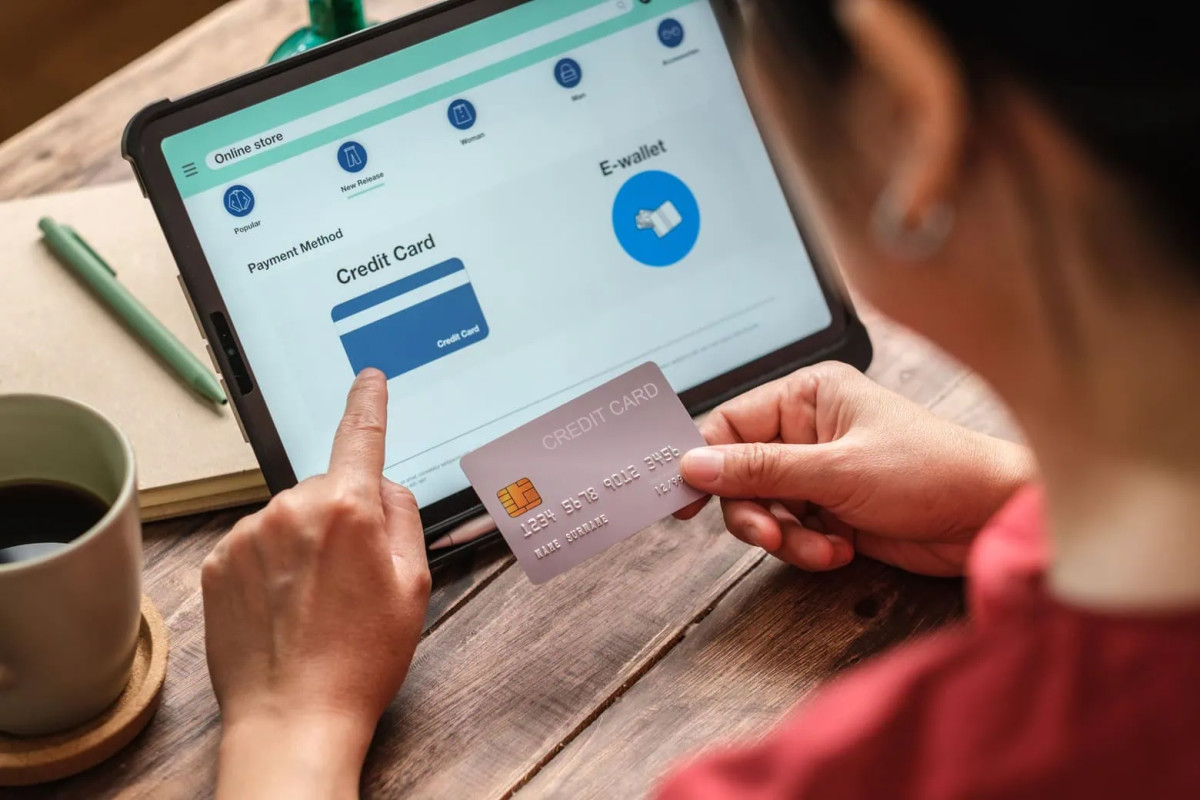
How to Reduce Shopping Cart Abandonment by Removing Checkout Friction
Reducing checkout friction means making the buying process feel effortless, predictable, and fast.
This is especially critical on mobile, where abandonment rates typically sit around 73–75%, compared to 65–68% on desktop. The same checkout experience simply feels harder on a smaller screen. (Growth Suite)
Focus on these high-impact changes:
Enable guest checkout by default
Use autofill and address lookup
Minimise form fields to essentials only
Show progress steps clearly
Optimise for mobile first, not desktop adapted
A useful benchmark:
| Element | Ideal Standard |
|---|---|
| Checkout steps | 1–3 steps max |
| Form fields | Under 10 where possible |
| Load time | Under 2 seconds |
| Mobile usability | Fully thumb-friendly |
If checkout feels like work, customers delay. Delay turns into abandonment.
How to Reduce Cart Abandonment and Close Sales with Transparent Pricing
Transparent pricing reduces abandonment by eliminating surprise costs that break trust at the final step.
Shipping is the biggest offender. In most studies, surprise costs alone account for up to 40% of all checkout drop-offs. (Landmark Global)
Customers mentally commit to a price early. When the total increases at checkout, it feels like the deal changed.
What works better:
Show estimated shipping on the product page
Offer free shipping thresholds
Display total cost early in the process
Avoid hidden fees at all costs
A practical approach many brands use:
| Strategy | Effect |
|---|---|
| ‘Free shipping over $100’ | Increases AOV and reduces friction |
| Upfront delivery calculator | Builds confidence early |
| Flat-rate shipping | Removes uncertainty |
How to Reduce Cart Abandonment by Building Trust and Credibility
Trust reduces abandonment by lowering the perceived risk of completing the purchase.
Around 17–19% of shoppers abandon carts due to security concerns alone, which makes trust one of the most underestimated conversion levers. (Landmark Global)
At checkout, customers are not evaluating your product anymore. They are evaluating you.
Add signals that answer unspoken questions:
Is this store legitimate?
Will I get what I paid for?
Can I get my money back if needed?
Effective trust elements include:
Clear return and refund policies
Real customer reviews near checkout
Recognisable payment icons
Delivery guarantees or timelines
Contact details that feel real

How to Use BNPL to Reduce Cart Abandonment and Increase Conversions
Buy Now Pay Later reduces abandonment by lowering the immediate financial commitment at checkout.
This is especially effective in categories with higher baseline abandonment rates. For example, fashion and luxury regularly see abandonment above 80%, where price hesitation plays a bigger role. (Email Vendor Selection)
BNPL works because it reframes the decision:
Instead of ‘Can I afford this now?’
It becomes ‘Is this worth it over time?’
When implemented well:
Conversion rates increase
Average order value increases
Price resistance decreases
However, placement matters. BNPL should be visible on product pages, not just at checkout.
Flexible Payment Options That Reduce Checkout Drop-Off
Offering flexible payment options reduces abandonment by matching customer preferences at the moment of purchase.
Lack of preferred payment methods contributes to around 13% of abandonments, which is entirely avoidable. (Landmark Global)
Essential options to include:
Credit and debit cards
PayPal or similar wallets
Apple Pay and Google Pay
BNPL providers like Klarna
Why this matters:
| Payment Type | Impact |
|---|---|
| Digital wallets | Faster checkout, higher mobile conversion |
| BNPL | Higher AOV |
| PayPal | Increased trust for new customers |
How to Reduce Cart Abandonment and Close Sales with Recovery Tactics
Cart recovery works because many customers leave with intent to return, not because they rejected the product.
Well-executed abandoned cart emails can recover up to 20% of lost carts, with open rates often reaching 40–45%, far higher than standard campaigns. (Sendtric)
The key is timing and relevance:
Email within 1 hour
Follow-up within 24 hours
Final reminder within 48–72 hours
What to include:
Product reminder with image
Clear call to action
Light urgency or scarcity
Optional incentive if needed
A simple performance comparison:
| Approach | Result |
|---|---|
| Generic reminder | Low recovery |
| Personalised email with context | Higher conversion |
| Incentive-based recovery | Highest recovery but lower margin |

How to Reduce Abandoned Carts on Shopify (Platform-Specific Tips)
Reducing cart abandonment on Shopify involves optimising both native features and third-party integrations.
Shopify gives you a solid base, but most stores leave performance on the table.
High-impact Shopify tactics:
Enable Shopify’s abandoned checkout emails
Use Shop Pay for accelerated checkout
Add dynamic checkout buttons on product pages
Integrate apps for SMS recovery
Optimise checkout branding and clarity
One overlooked advantage is Shop Pay. It significantly reduces friction for returning users by pre-filling details.
There are also lots of changes you can make to your website before the checkout process commences which can contribute to reduced cart abandonment. Take a look at how we worked with Ardmoor to make changes everywhere from improved collection browsing and dynamic merchandising to create a more engaging, holistic customer journey - by the time they reach checkout they're fully bought into the brand and the product and are more likely to complete the purchase.
Advanced Strategies Most Brands Overlook
Most brands optimise the obvious parts of checkout but ignore behavioural triggers that influence decision-making.
Here are a few underused strategies:
Micro-commitments before checkout
Small actions like selecting delivery preferences earlier increase psychological commitment.
Exit-intent offers
Triggered only when users are about to leave, not shown to everyone.
Cart value reinforcement
Remind users why they chose the product, not just what they chose.
Post-add-to-cart reassurance
Show delivery info, returns, and guarantees immediately after adding to cart.
These strategies work because they address emotion, not just usability.
How to Reduce Cart Abandonment and Turn Hesitation Into Sales
Reducing cart abandonment is not about fixing a broken checkout. It is about removing doubt at the exact moment it appears.
If you want to improve results quickly, start here:
Audit your checkout like a first-time buyer
Remove anything that slows the process down
Make pricing and delivery painfully clear
Add trust where hesitation is highest
Follow up with intent, not noise
Most brands do some of this. Very few do all of it well.
That gap is where conversions are lost, and where you win if you pay attention.